
Choosing the right accounting software is one of the most important decisions for any business. Whether you are a small startup, a growing SME, or an established enterprise, your accounting platform directly affects compliance, reporting accuracy, cash flow visibility, and overall business efficiency. Among the most trusted names in accounting software today are MYOB, QuickBooks, and Xero.
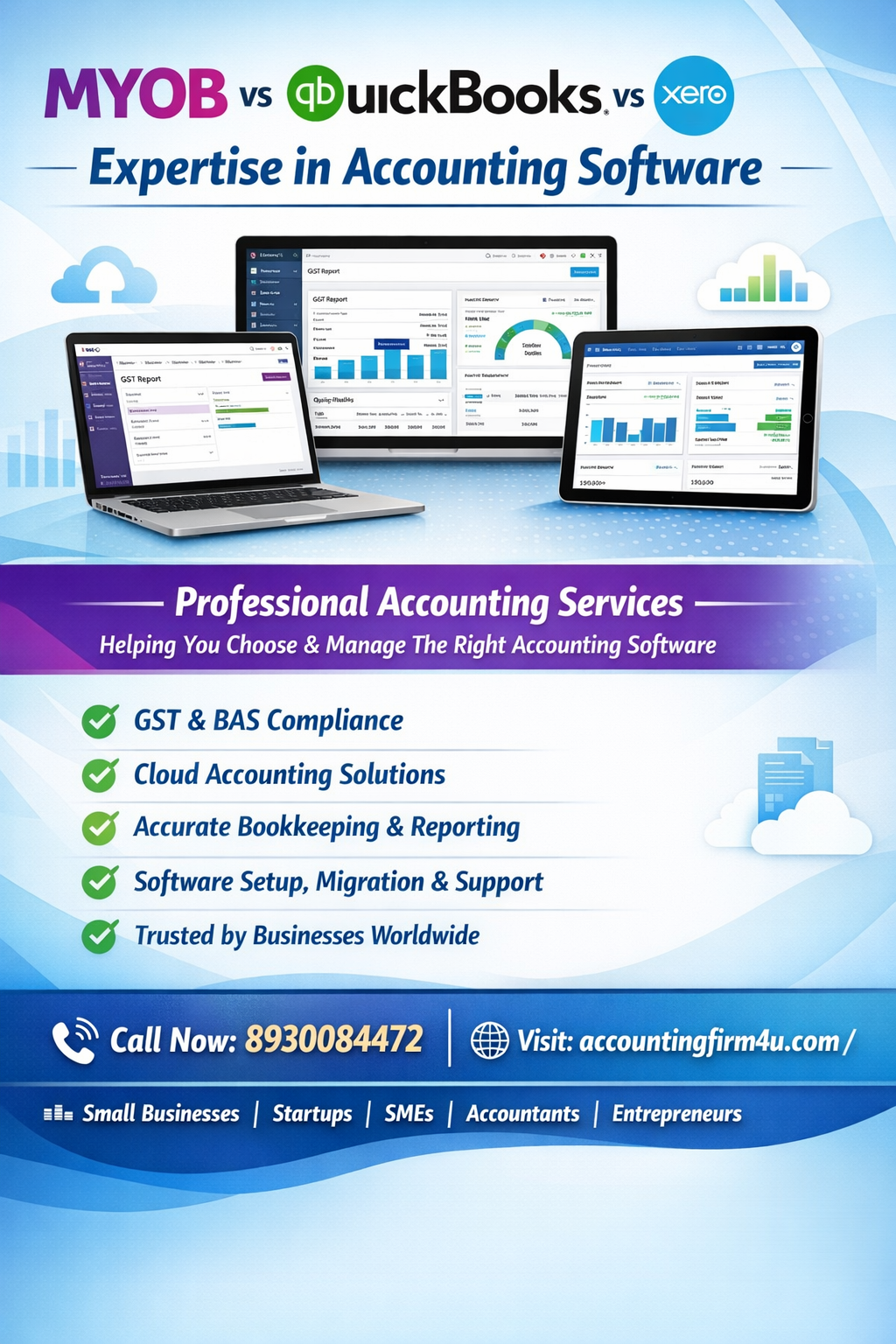
Each of these platforms has unique strengths, regional advantages, and feature sets. This detailed comparison is designed to provide high reliability for website readers, helping business owners, accountants, and finance professionals choose the best accounting software based on expertise, functionality, scalability, and compliance needs.
Understanding Modern Accounting Software
Modern accounting software goes far beyond basic bookkeeping. Today’s platforms offer cloud access, real-time reporting, automation, integrations with payroll and tax systems, and compliance with local regulations. MYOB, QuickBooks, and Xero are leaders because they continually evolve to meet these expectations.
Before choosing, it is essential to understand:
- Business size and complexity
- Country-specific tax and compliance requirements
- Need for automation and integrations
- Budget and scalability goals
MYOB – Built for Australian Accounting Compliance
MYOB (Mind Your Own Business) is one of the most established accounting software solutions, especially popular in Australia and New Zealand.
Key Features of MYOB
- Strong compliance with Australian BAS, GST, and payroll laws
- Advanced inventory and job costing tools
- Desktop and cloud-based options
- Powerful reporting for accountants and enterprises
Pros of MYOB
- Excellent for businesses with complex accounting needs
- Highly trusted by Australian accountants
- Robust payroll and tax compliance features
Cons of MYOB
- Interface can feel complex for beginners
- Less global adoption compared to Xero or QuickBooks
Best For: Medium to large Australian businesses requiring strict compliance and advanced accounting controls.
QuickBooks – User-Friendly and Globally Trusted
QuickBooks, developed by Intuit, is one of the most widely used accounting platforms worldwide. It is particularly popular among small and medium-sized businesses.
Key Features of QuickBooks
- Simple and intuitive user interface
- Powerful expense tracking and invoicing
- Strong automation for bank feeds and reconciliations
- Excellent third-party app ecosystem
Pros of QuickBooks
- Easy to learn and use
- Suitable for freelancers, startups, and SMEs
- Affordable plans with scalable options
Cons of QuickBooks
- Limited advanced inventory features in lower plans
- Some compliance limitations outside major regions
Best For: Small businesses, freelancers, and service-based companies looking for ease of use and affordability.
Xero – Cloud-First and Accountant-Friendly
Xero is a cloud-native accounting platform designed for real-time collaboration between business owners and accountants.
Key Features of Xero
- Fully cloud-based with real-time access
- Strong bank reconciliation automation
- Excellent support for multi-currency transactions
- Seamless integration with payroll, CRM, and inventory apps
Pros of Xero
- Clean, modern interface
- Highly scalable as businesses grow
- Strong global compliance support
Cons of Xero
- Limited built-in payroll in some regions
- Pricing can increase with add-ons
Best For: Growing businesses, startups, and companies needing cloud-based collaboration with accountants.
MYOB vs QuickBooks vs Xero – Feature Comparison
| Feature | MYOB | QuickBooks | Xero |
|---|---|---|---|
| Cloud Access | Yes | Yes | Yes |
| GST & Tax Compliance | Strong (Australia) | Good | Strong (Global) |
| Ease of Use | Medium | High | High |
| Inventory Management | Advanced | Basic–Medium | Medium |
| Scalability | High | Medium–High | High |
| Accountant Collaboration | Good | Good | Excellent |
Choosing the Right Accounting Software
The right accounting software depends on your business goals and location:
- Choose MYOB if your business operates in Australia and requires advanced compliance, payroll, and reporting.
- Choose QuickBooks if you want a simple, affordable, and globally recognized solution for small businesses.
- Choose Xero if you value cloud-first accounting, automation, and seamless collaboration with accountants.
Businesses working with professional accounting firms often benefit from expert implementation, setup, and ongoing support, ensuring maximum return on investment from these platforms.
Expertise in Accounting Software Implementation
Expertise in MYOB, QuickBooks, and Xero is not just about using the software—it’s about configuring it correctly, ensuring compliance, and leveraging advanced features. Professional accounting experts help with:
- Software selection and migration
- Chart of accounts setup
- GST, BAS, and tax configuration
- Payroll and reporting optimization
- Ongoing bookkeeping and advisory services
With expert guidance, businesses can reduce errors, save time, and make informed financial decisions.
Final Thoughts
MYOB, QuickBooks, and Xero are all powerful accounting software solutions with proven reliability. The key is choosing the platform that aligns with your business size, industry, and compliance requirements. By combining the right software with expert accounting support, businesses can achieve accuracy, efficiency, and long-term financial success.
A well-informed decision today ensures smoother accounting operations tomorrow, making your business more compliant, transparent, and growth-ready.